
A corporate event theme is the thread that ties everything in your event together. The right theme gives your team creative direction, helps your audience feel aligned, and reinforces your biggest goals without spelling them out. It needs to be clear, strategic, and intentional rather than simply clever.
That’s where Jessica Sayers, Creative Director at Meeting Tomorrow, comes in. She’s helps planners bring creative direction to life with the precision and purpose that creates memorable and impactful events.
A 2024 Bizzabo report found 38.4% of organizers are prioritizing creating immersive experiences that allow attendees to fully disconnect and focus on the moment, making a well-executed corporate event theme critical for impactful engagement.
In this guide, you’ll learn how to build a meaningful event theme from the ground up, avoid the clichés that fall flat, and get fresh corporate event theme ideas for 2026 rooted in real strategy.
What Makes a Great Corporate Event Theme?
Your theme should shape how people engage, connect, and talk about your event—not just during the sessions, but long after they return to their daily work.
The strongest events have purpose, flow, and emotional connection that extends beyond surface-level branding. They bring people together in meaningful ways that support business objectives while creating genuine human moments. A great theme deepens the experience without overwhelming the content, acting as a subtle but powerful framework that guides every decision.
How Do You Create a Theme for a Corporate Event?
Building an effective corporate event theme requires systematic thinking and creative execution, working together.
Step 1: Define Core Goals & Business Objectives
What are you hoping is the result of this meeting? What business need are you trying to solve for with this meeting? For example, is this meeting for deeper alignment of your teams? Boosting employee morale and engagement? Facilitating training and professional development? Generate leads, drive sales, and hit a specific revenue target?
Your key goals should be in place before you start developing an event theme, and your theme should amplify these objectives rather than compete with them for attention. We recommend limiting yourself to one or two primary goals to maintain focus and clarity.
Step 2: Understand Your Audience
Consider roles, expectations, and what will genuinely engage different groups within your audience. A theme that resonates with a room full of engineers may fall flat with creative teams, and vice versa.
Think about what your audience hopes (or, needs) to gain from your event, such as inspiration, networking opportunities, strategic clarity, or renewed energy.
Step 3: Brainstorm Theme Ideas
Use metaphors, storytelling, or values-based prompts to develop concepts that connect with your objectives and audience. Avoid vague or templated phrasing that could apply to any company or event.
The best themes feel specifically crafted for your organization and the moment in time your event is taking place.
Step 4: Visualize the Concept
Create mood boards and pitch decks with colors, tone, and activation ideas that bring your theme to life visually. This step helps you move beyond words to understand how the theme will feel in practice. Include examples of signage, environmental design, and digital touchpoints.
Step 5: Map the Theme to Content
Tie the theme into presentations, activations, and branding in ways that feel natural rather than forced. Your theme should enhance content delivery, not overshadow it.
Jessica emphasizes the importance of strategic alignment: “Be clear as possible to ensure great alignment; the theme should then amplify these objectives.”
This clarity prevents themes from becoming decorative afterthoughts and transforms them into strategic tools that support your event’s success.
Let Location & Trends Guide Your Theme
Smart theme development can sometimes include external factors that can make your corporate event theme more relevant and engaging.
Use Location for Inspiration
Leverage your surroundings strategically. If your event engages with its environment, draw from local culture, seasons, or history to create themes that feel grounded and memorable.
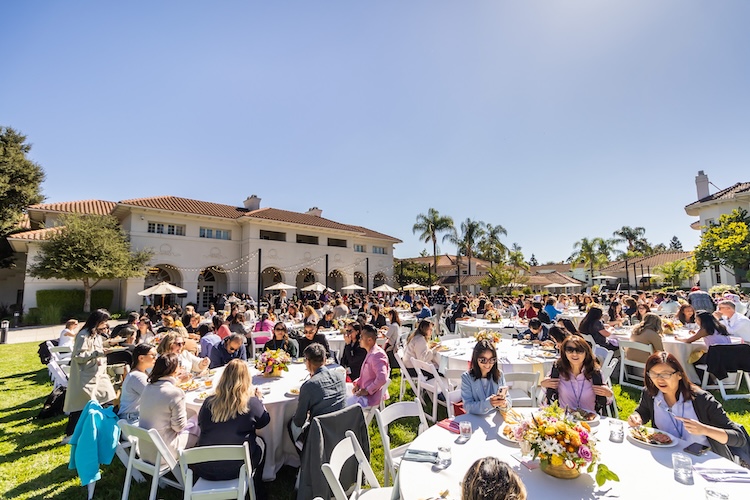
For example, we used “Monarch Moments” for a client event in Dana Point, California, during butterfly migration season to symbolize transformation and growth. The theme connected the company’s evolution with the natural phenomenon happening around the venue. This created a layered meaning that attendees were talking about long after the event.
If your event is at more traditional corporate venues, like ballrooms or hotels, go with goal-driven themes that focus on organizational objectives rather than geographic elements.
Tap Into Emerging Trends
The most relevant corporate event themes connect with broader cultural and business movements that your audience is already thinking about. By aligning your theme with emerging trends, you create immediate relevance and give attendees a framework for discussing topics that matter in their professional lives.
Sustainability & Eco-Consciousness
Environmental responsibility has moved from nice-to-have to a business imperative for most organizations. Sustainability-focused themes work especially well for companies launching green initiatives, discussing ESG goals, or addressing climate-conscious stakeholders.
Themes like “Green Growth” emphasize profitable sustainability, while “Circular Economy” speaks to innovation in resource management. These themes resonate with audiences who see environmental consciousness as both a moral and strategic priority.
Wellness & Mindfulness
Post-pandemic workplace culture has put a spotlight on the importance of mental health and work-life balance in business environments. Wellness themes work particularly well for leadership retreats, HR conferences, or events addressing burnout and employee engagement.
Themes like “Holistic Leadership” connect personal well-being with management effectiveness, while “Balance & Breakthrough” suggests that sustainable success requires both equilibrium and growth.
These types of themes appeal to audiences seeking sustainable approaches to high performance.
Hybrid/Virtual Experience
As remote and hybrid work becomes permanent for many organizations, themes that address digital-physical integration feel timely and relevant. These work well for technology conferences, future-of-work discussions, or events that themselves blend virtual and in-person elements.
Consider themes such as “Connected Worlds” to emphasize unity across digital divides or “Bridging Realities” to tackle the challenge of maintaining human connection in increasingly digital workplaces.
Community & Belonging
Organizations are focusing more intentionally on inclusion, team cohesion, and shared purpose as competitive advantages. Community-focused themes work especially well for company-wide gatherings, diversity and inclusion events, or sessions addressing organizational culture.
An event called “The Collective Journey” can focus on shared progress and mutual support, while one themed “Our Shared Future” creates investment in common goals and outcomes.
The Goldilocks Zone: Specific Enough, Broad Enough
An effective theme for corporate events strikes the right balance between precision and flexibility. It should be precise enough to connect meaningfully with your organization’s brand and event goals, yet flexible enough to allow for diverse brainstorming and creative execution without feeling constrained.
Avoid Broad or Vague Themes
A generic theme for corporate events, like “Innovate,” “Go Forward,” or “The Future is Now,” can fall flat because they lack a unique identity. This makes it challenging to build specific, memorable content around.
Avoid Constricting Themes
Overly literal themes for corporate event ideas or those filled with internal jargon (e.g., “The Power of Our Q3 Widget Launch”) can limit creative exploration and broader audience appeal.
Themes with Metaphors
Aim for themes that use metaphors, evocative imagery, or industry-specific language while allowing room for various interpretations and content development. These themes give creative direction without boxing in your planning team.
How to Use a Corporate Event Theme to Guide Planning
Once you’ve selected your theme, it becomes a strategic tool that influences every aspect of your event planning process.
Drive Program Design
Use the theme to influence speaker selection, session naming, and overall flow. Your theme should feel woven throughout the agenda rather than applied as an afterthought. Consider how keynote presentations, breakout sessions, and networking activities can all reinforce your central message.
Define the Brand & Design
Your theme guides colors, typography, signage, and environmental elements in ways that create cohesive visual experiences. Every design decision should support and reinforce your thematic direction.
Also, have fun honing in on the details. An immersive registration station sets the tone for the event, and closing ceremonies leave the last impression.
Shape Marketing Messaging
It’s important to create a cohesive event expression across every touch point. Maintain consistency across emails, social media, event apps, and internal communications. While this sounds like a lot to think about, your theme provides more guidance than you think.
A well-chosen corporate event theme makes it easy for your teams to create language and imagery for all your different marketing channels.
Align Your Team & Vendors
A shared theme vision helps everyone, including AV, catering teams, and speakers, understand the story you’re telling and how their contributions support the larger experience.
Jessica explains the importance of internal alignment: “Understanding the theme internally ensures all aspects are developed through the same unifying lens.”
This shared understanding prevents disconnected execution and creates experiences that feel intentionally crafted rather than assembled from separate pieces.
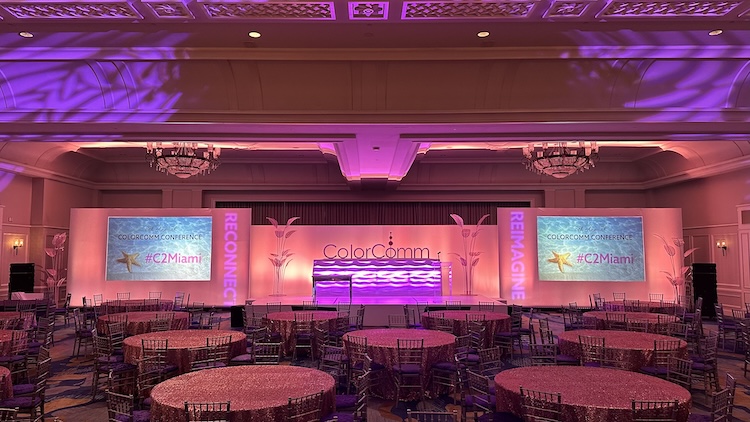
Creative Theme Ideas for Corporate Events in 2026
Now that you know what makes a great corporate event theme, here are some fresh directions our creative team is excited about for the coming year.
AI-Inspired Concepts
AI-inspired themes reflect a trend our experts are seeing for 2026 and beyond. Some examples include:
- Augmented Human
- Intelligent Edge
- Smart Future
- Generative Growth
Metaphorical, Story-Based Concepts
These corporate event theme ideas use more emotional frameworks to create connection:
- Beyond Boundaries
- Invent the Future
- Purposeful Progress
Some Inspirational Themes
You can never go wrong with classic, and inspirational themes are always in demand:
- Future Forward
- Next Horizon
- United Mission
- Collective Impact
- Elevate & Evolve
Bringing Your Theme to Life
When presenting or pitching a theme, don’t stop at the phrase or word. Go a step further to visualize how the theme will manifest in the physical and digital event space.
This pre-visualization helps provide cohesive creative direction. For clients, Jessica will present a comprehensive deck of examples showing how the theme can be brought to life in different ways across the entire event experience.
Create Mood Boards
Visualize your theme using color palettes, typography, textures, and lighting that align with your emotional tone (e.g., energizing, calming, or inspiring). Use tools like Pinterest or Figma to develop a creative direction deck that your entire team can reference.
For visual inspiration that brings themes to life, check out our stage design ideas for events guide.
Design Activation Concepts
Plan breakout sessions, installations, or networking zones that reinforce the event theme through experiential elements. Use branded tactile experiences like writing stations or themed lounges to translate abstract themes into concrete takeaways that attendees can engage with directly.
Mock Up Marketing Elements
Build examples of signage, event app visuals, email headers, and swag that demonstrate how your theme translates across different media.
Make sure every touchpoint connects back to your theme’s visual identity while keeping designs consistent across digital and onsite experiences.
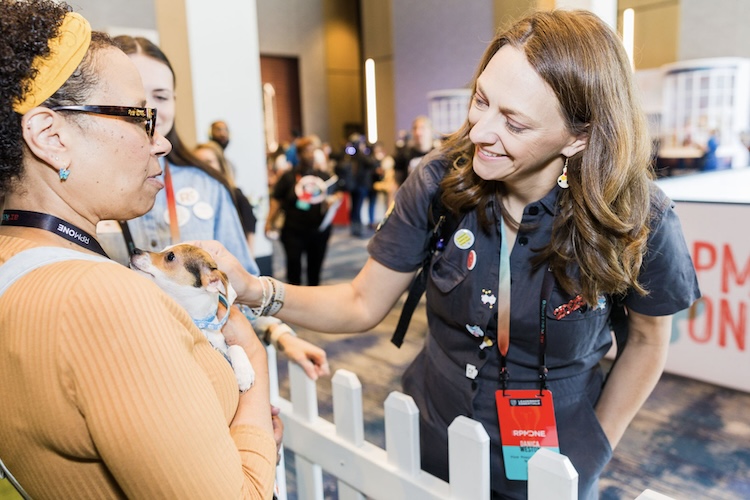
Making Your Event Theme Interactive
Interactive attendee engagement activities work best when they align with your theme while providing genuine value to attendees. For example, a “mindful progress” themed event might include meditation pods, while a “conscious innovation” gathering could feature sustainable product demonstrations where attendees can try eco-friendly alternatives firsthand.
These activations should feel like natural extensions of your content rather than separate entertainment. We recommend designing each interactive element to reinforce your key messages while giving people a break from traditional presentation formats.
Use Surprising Activations Strategically
Think beyond standard networking receptions to create moments that attendees will remember and share. The most effective, surprising activations support your thematic direction without feeling gimmicky or disconnected from your business objectives.
For a “connected worlds” theme, you might create digital art installations where remote participants contribute to physical displays. For “the collective journey” theme, consider collaborative storytelling stations where attendees build shared narratives about company culture or future vision.
The surprise should emerge from creative execution rather than random novelty. When activations feel aligned with your event’s purpose, they enhance rather than distract from your core objectives.
Mix Formats to Maintain Energy
Keep energy high and engagement strong throughout your event by alternating between different types of experiences. Follow intensive learning sessions with hands-on activities, balance large group presentations with small group interactions, or include movement-based elements between seated sessions.
We’ve seen great success with “activation breaks” that replace traditional coffee breaks with creative, themed activities. These might include quick team challenges, creative workshops, or networking games that reinforce your event theme while re-energizing attendees for the next session.
Make Your Events Unforgettable
A strong corporate event theme supports your goals, unifies your team, and gives structure to every creative decision. When your theme is aligned with purpose, it acts as a consistent lens for messaging, design, and content—making the experience more cohesive and memorable for everyone involved.
Need help developing unique corporate event theme ideas for 2026? Let’s chat about how we can make your events memorable.
Frequently Asked Questions About Corporate Event Theme Ideas
How do I decide on the right event theme?
Start by defining your core event objectives (e.g., motivation, education, connection). Choose a theme that reinforces those goals while resonating with your specific audience. Also, be sure to test early ideas with a small internal group to make sure they’re relevant and usable. Avoid falling into the trap of using buzzwords or metaphors that feel vague or overly abstract.
How early should I plan and apply a theme?
Decide on your theme early in the planning process—ideally during kickoff. A clear theme can guide everything from speaker selection to signage and room design.
Plus, early buy-in helps internal teams and vendors align their efforts around a consistent direction. Waiting too long can lead to disjointed execution and rushed creative decisions.
Can any corporate event be themed effectively?
No, and not all events need a theme. If your event already has a strong branded identity, that might be enough. Avoid layering a separate theme if it feels redundant or confusing to the audience. For long-standing events (like WWDC or Dreamforce), consistency can be more valuable than thematic reinvention. When in doubt, prioritize clarity over cleverness.
What makes a corporate theme memorable and effective?
A memorable and effective theme reflects both the emotional and strategic purpose of the event. The theme should be flexible enough to shape content, design, and experience while focused enough to feel cohesive. A fantastic corporate environment inspires creativity from speakers, designers, and attendees.
It’s also good to keep in mind that themes that tell a story or evoke a metaphor tend to stick with people long after the event ends.